Tag: Scam Prevention

  • Crypto Escrow Guidelines: Stay Safe in P2P Trades

    Crypto Escrow Guidelines: Stay Safe in P2P Trades

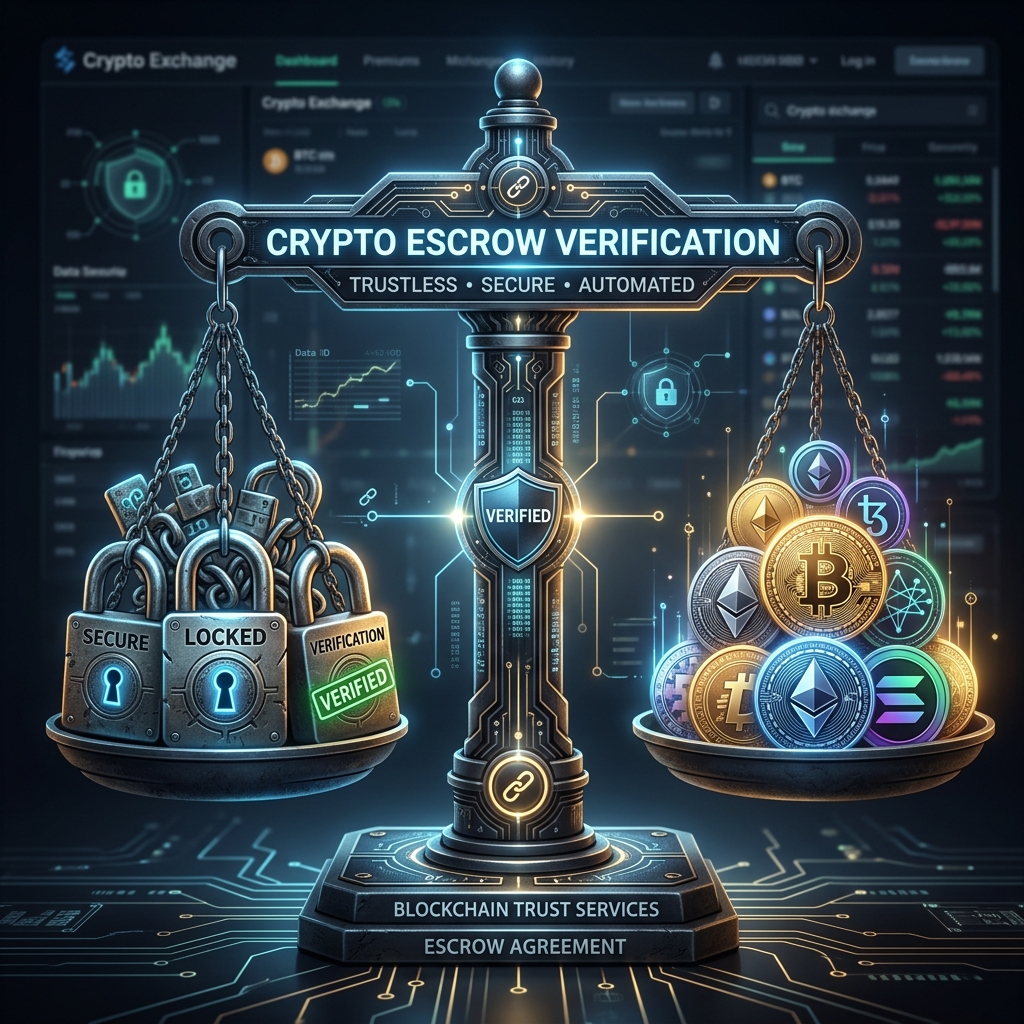
    When you trade cryptocurrency directly with a stranger online, a fundamental problem arises: Who goes first? If the buyer sends the fiat payment first, the seller might pocket the money and refuse to send the crypto. If the seller sends the crypto first, the buyer might disappear without paying. This classic double-spend or trust dilemma is solved through a mechanism called Escrow.

    A crypto escrow service acts as a trusted middleman that holds the cryptocurrency in a secure lockbox until both parties fulfill their end of the trade. However, in recent years, scammers have learned to hijack and spoof the escrow process. In this guide, we outline the essential crypto escrow guidelines to help you spot fraudulent systems and trade peer-to-peer safely.


    How Crypto Escrow Works

    A legitimate escrow process follows a simple, linear workflow:

    1. Trade Agreement: The buyer and seller agree on the terms of the swap (e.g. 1,000 USDT for NGN).
    2. Asset Funding (Escrow Lock): The seller deposits the cryptocurrency into the escrow smart contract or platform wallet. The seller cannot withdraw the assets during this time.
    3. Fiat Payment: Once the platform verifies that the crypto is locked in escrow, the buyer sends the fiat payment directly to the seller’s bank account or payment method.
    4. Verification & Release: The seller confirms receipt of the fiat payment and clicks the “Release” button. The escrow platform releases the locked crypto to the buyer.

    If a dispute occurs (e.g. the buyer claims they paid but the seller says they received nothing), the escrow system acts as an arbitrator. Both parties submit proof of payment or bank statements, and the moderator manually routes the locked crypto to the rightful owner.


    Red Flags: How Scammers Spoof Escrow

    Scammers use social engineering to trick you into bypassing the escrow safety net. Watch out for these common red flags:

    • Off-Platform Escrows: The seller says: “Let’s use an independent admin from this Telegram group to hold the funds; it has lower fees.” These groups are almost always run by the scammer and a bot or secondary account posing as the admin.
    • Fake Escrow Notifications: Scammers send spoofed emails or SMS alerts that look like they came from the official platform (e.g. Binance or Paxful) saying: “System Notice: The buyer has funded the escrow. Please transfer the fiat to release the funds.” Always verify the status directly inside the official app; do not trust email alerts.
    • Urgency and Pressure: The buyer claims their bank app is failing and pressures you to release the crypto before the fiat clears, promising to send transaction updates later. Once you click release, the transaction is irreversible.

    Essential Crypto Escrow Guidelines

    To ensure your P2P trades remain secure, implement these basic operating rules:

    1. Use built-in platform escrows: Only trade on established platforms (such as Binance P2P, Paxful, or OKX) that have automated, smart-contract-controlled escrow systems. Never trade via DM on Twitter, Telegram, or Discord.
    2. Log in to verify: Always log into the official application and inspect the order page. If the order status does not say “Assets Locked in Escrow” or “Paid” within the app database, do not proceed.
    3. Keep proof of all interactions: Take screenshots of bank transfers, transaction reference numbers, and platform chats. If a dispute occurs, these records are your only leverage.

    Checking Platform Legitimacy with XTSG

    With hundreds of new P2P platforms and escrow bots launching weekly, verifying the legitimacy of the service itself is a critical step.

    The XTSG Security Hub provides direct support here:

    • Escrow Verification Reviews: Search any P2P or escrow service name on XTSG to check if it has been audited by security researchers or if it is flagged as a phishing portal.
    • Scam Feed Alerts: The XTSG scam alerts monitor active Telegram group links, fraudulent websites, and spoofed emails mimicking escrow services.
    • Naira Trust Blueprints: Access specific NGN/USDT corridor guidelines to manage local currency risk and prevent payment delays.

    Escrow is a vital security layer for peer-to-peer trades, but it only works if you use verified systems. Audit your platforms on XTSG, follow the escrow rules, and keep your crypto safe.
  • P2P Crypto Trading Safety: The Complete 2026 Guide

    P2P Crypto Trading Safety: The Complete 2026 Guide

    Peer-to-peer (P2P) crypto trading is the lifeblood of retail trading and financial access in regions with restrictive banking policies. For users in Nigeria, the West African diaspora, and emerging markets, platforms like Binance P2P, Paxful, and local telegram escrows are essential channels for converting fiat currency to digital stablecoins like USDT. However, this direct interaction between buyers and sellers is highly targeted by financial criminals.

    If you trade peer-to-peer, you are exposed to risks beyond typical blockchain hacks: bank account freezes, fraudulent chargebacks, and identity theft. In this comprehensive guide, we will cover the most critical safety practices for p2p crypto trading safety in 2026, helping you vet counterparties and protect your funds.


    The Anatomy of P2P Fraud: How Traders Get Scammed

    P2P scams do not target smart contracts; they target human trust and traditional banking vulnerabilities. Here are the three most common exploits:

    1. The Chargeback Scam

    The buyer transfers fiat currency to your bank account using a stolen debit card, a hacked bank profile, or a payment system that allows reversals (like PayPal). Once you receive the bank alert, you release the crypto. Days later, the legitimate owner of the bank account reports the fraud, and the bank reverses the transfer or freezes your account, leaving you with no fiat and no crypto.

    2. Fake Proof-of-Payment (SMS/Email Spoofing)

    The buyer marks the trade as paid and sends a screenshot of a fake transfer receipt or triggers a spoofed SMS alert that looks like it came from your bank. If you release the crypto based solely on the screenshot without logging into your banking application to verify the settled balance, you will lose your assets.

    3. Third-Party Payment Fraud (Triangular Scams)

    The scammer creates a fake advertisement selling an item (like a laptop) on a local marketplace. When a real buyer contacts them, the scammer opens a buy order on a P2P crypto exchange for the equivalent amount. The scammer instructs the laptop buyer to send payment to the crypto seller’s bank account. Once the bank transfer is made, the crypto seller releases the crypto to the scammer. The laptop buyer receives nothing, reports fraud, and the crypto seller’s bank account is blocked as an accessory to fraud.


    The P2P Safety Protocol: How to Trade Securely

    To avoid P2P scams and protect your bank account from freezes, you must enforce a strict operating protocol:

    1. Verify settled bank balances directly: Never release crypto based on screenshots, SMS alerts, or emails. Always log into your official banking app and confirm that the funds have settled into your available balance.
    2. Match account names exactly: The name on the buyer’s bank account must match their verified name on the P2P platform exactly. If a buyer says: “I am paying from my wife’s bank account,” reject the trade immediately. Third-party payments are the primary cause of bank blocks.
    3. Keep all communications on-platform: Never agree to chat on WhatsApp, Telegram, or Discord. If a dispute occurs, the P2P platform’s moderators will only accept chat logs that occurred within the official platform interface.
    4. Use a dedicated bank account: Maintain a separate bank account solely for P2P transactions. Do not link this account to your main savings, utility bills, or primary salary accounts. If the account is temporarily frozen for investigation, your primary financial life will not be disrupted.

    Advanced Safeguards: Nigerian Naira Trade Shields with XTSG

    Standard P2P platform moderators are often slow and lack local context when handling disputes in specific corridors like the Nigerian Naira (NGN). This is why active P2P traders utilize the XTSG P2P Trading Hub.

    The XTSG P2P Trading Hub provides specialized tools for high-volume traders:

    • Naira Trade Shields: A registry of verified P2P merchants who have deposited security bonds with XTSG, providing a secondary layer of insurance against chargeback fraud.
    • Compliance Blueprints: Download legal frameworks and bank dispute response templates to resolve account freezes and clarify transaction legitimacy with local banks.
    • Scam Alert Feed: Stay updated on active P2P scam groups, blacklisted bank accounts, and spoofing techniques targeting local payment networks.

    Trading peer-to-peer is a powerful tool for financial freedom, but it requires strict compliance. Set up your safety gates, vet bank accounts on the XTSG registry, and trade securely.